ぢ (di)
发音
字符 ぢ 代表在现代日语中发音为 'ji' 的音节(与 じ 相同)。它是 ち 加上浊点。历史上这个音节是独立的,但在现代用法中 じ 是 'ji' 的默认形式;ぢ 主要出现在 ち 浊化的复合词中(例如 はなぢ — 鼻血)。
笔顺指南
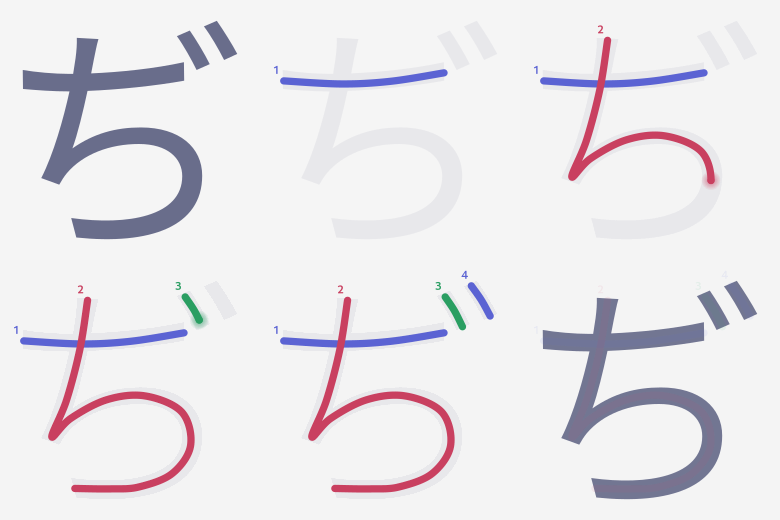
ぢ 由四笔写成。前两笔与 ち 相同(顶部短的水平线和长的盘绕笔画,以左下方的钩结束)。然后添加浊点:第三笔:右上方的小斜线标记。第四笔:第三笔下方或右侧的第二个小斜线标记。两个标记将音节浊化。
包含 ぢ 的常用词汇
- ちぢまる (chijimaru) — 缩短 / 缩小
- はなぢ (hanaji) — 鼻血
- ちかぢか (chikajika) — 不久 / 即将
How to Write ぢ (di) in Hiragana
The hiragana character ぢ is romanized as "di" and is written with 4 strokes. Pronounced like じ (ji) — rarely used. Example word: はなぢ (hanadi) — nosebleed.
Stroke Order for ぢ
When writing ぢ, follow the numbered stroke order shown in the reference character above. Japanese characters are generally written from left to right and top to bottom. Correct stroke order improves readability and writing speed.
Practice Tips
- Print this sheet on standard 8.5" × 11" letter paper
- Start by tracing the light grey guide characters in the first column
- Then practice writing ぢ freehand in the empty squares
- Pay attention to stroke direction and order — follow the numbered guide
- For interactive practice with animations, visit the main study page
About Hiragana
Hiragana is one of the three Japanese writing systems. It consists of 46 basic characters, each representing a syllable. Hiragana is used for native Japanese words, grammar particles, and verb endings. Learning correct stroke order is essential for proper Japanese handwriting.