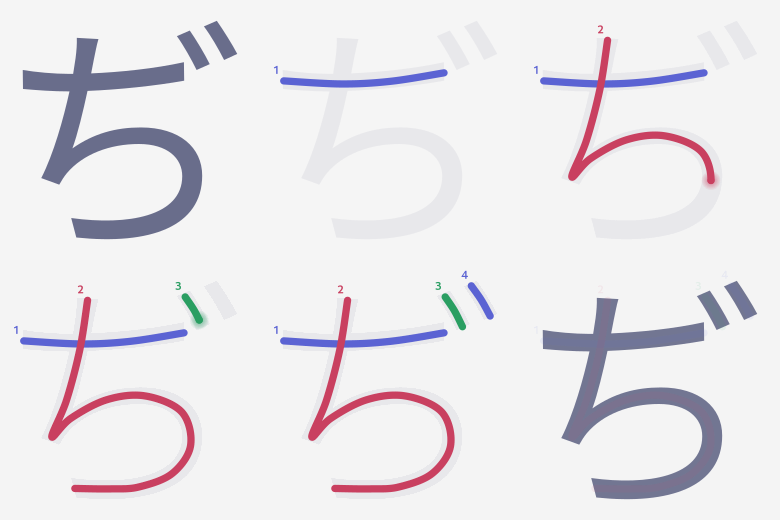
ぢ (di)
Cách phát âm
Ký tự ぢ đại diện cho âm tiết được phát âm là 'ji' trong tiếng Nhật hiện đại (giống hệt じ). Đây là ち với dakuten. Trong lịch sử, âm tiết này khác biệt, nhưng trong sử dụng hiện đại じ là dạng chuẩn cho 'ji'; ぢ chủ yếu xuất hiện trong từ ghép nơi ち được hữu thanh hóa (ví dụ はなぢ — chảy máu cam).
Hướng dẫn từng nét
ぢ được viết bằng bốn nét. Hai nét đầu giống hệt ち (đường ngang ngắn ở trên và nét cong dài vòng kết thúc bằng móc ở dưới bên trái). Sau đó thêm dakuten: Nét 3: dấu chéo nhỏ ở phía trên bên phải. Nét 4: dấu chéo nhỏ thứ hai bên dưới hoặc bên phải dấu đầu. Hai dấu làm hữu thanh âm tiết.
Từ thông dụng có ぢ
- ちぢまる (chijimaru) — co lại / ngắn lại
- はなぢ (hanaji) — chảy máu cam
- ちかぢか (chikajika) — sắp tới / chẳng bao lâu
How to Write ぢ (di) in Hiragana
The hiragana character ぢ is romanized as "di" and is written with 4 strokes. Pronounced like じ (ji) — rarely used. Example word: はなぢ (hanadi) — nosebleed.
Stroke Order for ぢ
When writing ぢ, follow the numbered stroke order shown in the reference character above. Japanese characters are generally written from left to right and top to bottom. Correct stroke order improves readability and writing speed.
Practice Tips
- Print this sheet on standard 8.5" × 11" letter paper
- Start by tracing the light grey guide characters in the first column
- Then practice writing ぢ freehand in the empty squares
- Pay attention to stroke direction and order — follow the numbered guide
- For interactive practice with animations, visit the main study page
About Hiragana
Hiragana is one of the three Japanese writing systems. It consists of 46 basic characters, each representing a syllable. Hiragana is used for native Japanese words, grammar particles, and verb endings. Learning correct stroke order is essential for proper Japanese handwriting.