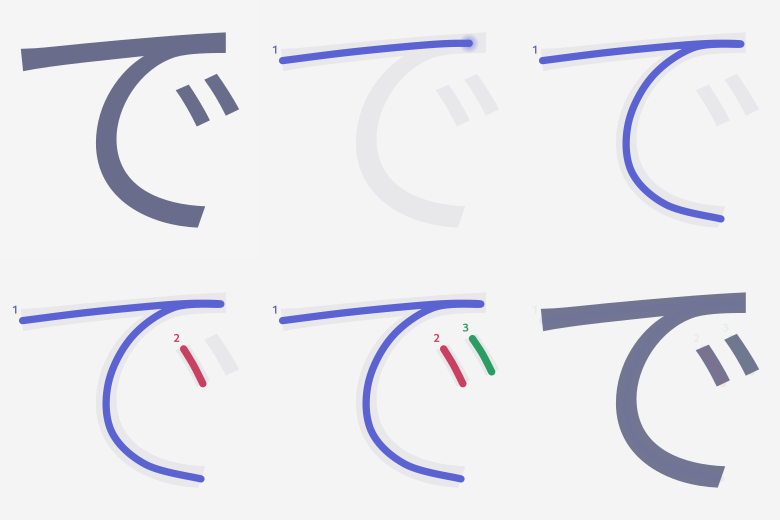
で (de)
Cách phát âm
Ký tự で đại diện cho âm tiết 'de', âm 'd' cứng theo sau bởi 'e' như trong 'pet'. Đây là て với dakuten làm hữu thanh 't' thành 'd'. Tiểu từ で ('tại', 'ở', 'bằng') là một trong những từ phổ biến nhất trong tiếng Nhật — bạn sẽ thấy nó liên tục.
Hướng dẫn từng nét
で được viết bằng ba nét. Nét 1: giống hệt て — một nét chảy duy nhất bắt đầu bằng đường ngang ngắn ở trên và quét xuống và sang phải. Nét 2: dấu chéo nhỏ ở phía trên bên phải của ký tự. Nét 3: dấu chéo nhỏ thứ hai bên dưới hoặc bên phải dấu đầu. Hai dấu làm hữu thanh âm tiết từ 'te' thành 'de'.
Từ thông dụng có で
- でかける (dekakeru) — đi ra ngoài
- うで (ude) — cánh tay
- ふで (fude) — bút lông
- そで (sode) — tay áo
- でぐち (deguchi) — lối ra
- すでに (sudeni) — đã
- はで (hade) — sặc sỡ / lòe loẹt
- でる (deru) — ra ngoài / xuất hiện
- いでん (iden) — di truyền
- せんでん (senden) — tuyên truyền / quảng bá
- ていでん (teiden) — mất điện
- でんき (denki) — điện
- でんげん (dengen) — nguồn điện
- でんし (denshi) — điện tử (electron)
- でんせつ (densetsu) — truyền thuyết
- でんたく (dentaku) — máy tính (cầm tay)
- でんたつ (dentatsu) — sự truyền đạt
- でんち (denchi) — pin
- でんとう (dentou) — truyền thống
- でんぱ (denpa) — sóng vô tuyến / tín hiệu
How to Write で (de) in Hiragana
The hiragana character で is romanized as "de" and is written with 3 strokes. Like "de" in "desk". Example word: でんわ (denwa) — telephone.
Stroke Order for で
When writing で, follow the numbered stroke order shown in the reference character above. Japanese characters are generally written from left to right and top to bottom. Correct stroke order improves readability and writing speed.
Practice Tips
- Print this sheet on standard 8.5" × 11" letter paper
- Start by tracing the light grey guide characters in the first column
- Then practice writing で freehand in the empty squares
- Pay attention to stroke direction and order — follow the numbered guide
- For interactive practice with animations, visit the main study page
About Hiragana
Hiragana is one of the three Japanese writing systems. It consists of 46 basic characters, each representing a syllable. Hiragana is used for native Japanese words, grammar particles, and verb endings. Learning correct stroke order is essential for proper Japanese handwriting.