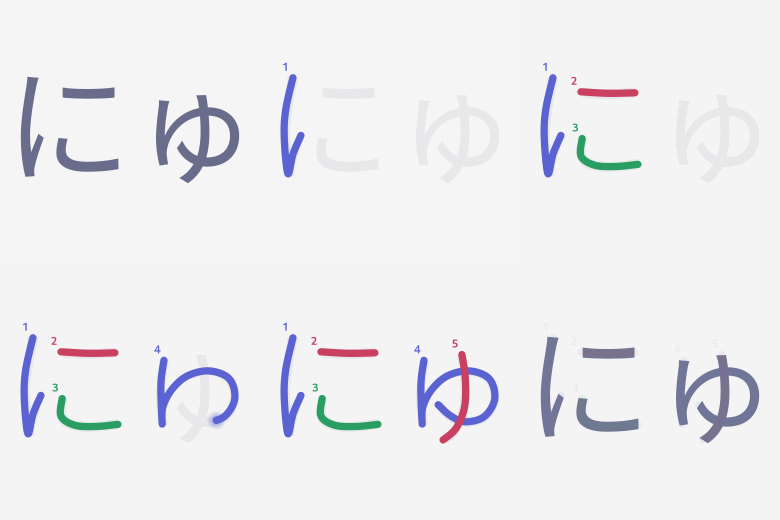
にゅ (nyu)
Pagbigkas
Ang tambalang karakter na にゅ ay kumakatawan sa pantig na 'nyu', binuo sa pamamagitan ng pagsasama ng に (ni) at maliit na ゅ. Binibigkas bilang isang pantig na 'nyu'.
Gabay sa Bawat Guhit
Ang にゅ ay isinusulat sa limang guhit: tatlo para sa に at dalawa para sa maliit na ゅ. Ang maliit na ゅ ay iniipit sa kanang-ibabang lugar katabi ng に.
Mga Karaniwang Salita na may にゅ
- ぎゅうにゅう (gyuunyuu) — gatas (ng baka)
- こうにゅう (kounyuu) — pagbili
- しゅうにゅう (shuunyuu) — kita / sahod
- しんにゅう (shinnyuu) — paglusob / pananalakay
- にゅういん (nyuuin) — pag-ospital
- にゅうがく (nyuugaku) — pagpasok sa paaralan
- にゅうしゃ (nyuusha) — pagpasok sa kumpanya
- にゅうじょう (nyuujou) — pagpasok
- にゅうもん (nyuumon) — panimulang aralin
- にゅうりょく (nyuuryoku) — input / pag-input
- のうにゅう (nounyuu) — pagbabayad
- ゆにゅう (yunyuu) — pag-aangkat
- そうにゅう (sounyuu) — pagsingit
- にゅうせき (nyuuseki) — pagpapatala sa rehistro ng pamilya
- にゅうがくしけん (nyuugakushiken) — pagsusulit sa pagpasok
- さくにゅう (sakunyuu) — paggatas
- にゅうわ (nyuuwa) — mahinahon / mabait
- かいにゅう (kainyuu) — panghihimasok / interbensiyon
- さいにゅう (sainyuu) — taunang kita
- にゅうしょ (nyuusho) — pagpasok sa institusyon
How to Write にゅ (nyu) in Hiragana
The hiragana character にゅ is romanized as "nyu" and is written with 5 strokes. "N" + "yu" blended — like "new" with an N. Example word: にゅうがく (nyuugaku) — enrollment.
Stroke Order for にゅ
When writing にゅ, follow the numbered stroke order shown in the reference character above. Japanese characters are generally written from left to right and top to bottom. Correct stroke order improves readability and writing speed.
Practice Tips
- Print this sheet on standard 8.5" × 11" letter paper
- Start by tracing the light grey guide characters in the first column
- Then practice writing にゅ freehand in the empty squares
- Pay attention to stroke direction and order — follow the numbered guide
- For interactive practice with animations, visit the main study page
About Hiragana
Hiragana is one of the three Japanese writing systems. It consists of 46 basic characters, each representing a syllable. Hiragana is used for native Japanese words, grammar particles, and verb endings. Learning correct stroke order is essential for proper Japanese handwriting.