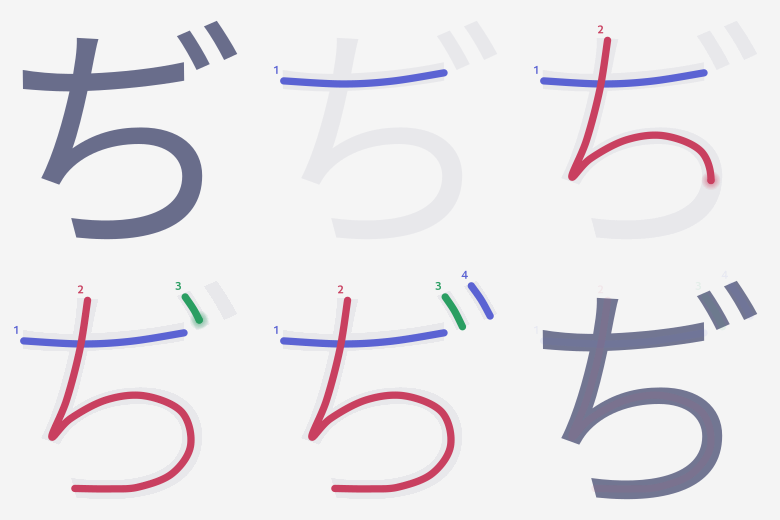
ぢ (di)
Произношение
Знак ぢ обозначает слог, произносимый как «дзи» в современном японском (идентично じ). Это ち с дакутэном. Исторически слог был отдельным, но в современном употреблении じ — стандартная форма для «дзи»; ぢ появляется в основном в составных словах, где ち озвончается (например, はなぢ — носовое кровотечение).
Пошаговое руководство по штрихам
ぢ пишется в четыре черты. Первые две черты идентичны ち (короткая горизонталь наверху и длинная закручивающаяся черта, заканчивающаяся крючком в нижнем левом углу). Затем добавляется дакутэн: Черта 3: маленькая диагональная отметка справа сверху. Черта 4: вторая маленькая диагональная отметка ниже или правее первой. Две отметки озвончают слог.
Распространённые слова с ぢ
- ちぢまる (chijimaru) — сжиматься / сокращаться
- はなぢ (hanaji) — кровотечение из носа
- ちかぢか (chikajika) — скоро / в ближайшее время
How to Write ぢ (di) in Hiragana
The hiragana character ぢ is romanized as "di" and is written with 4 strokes. Pronounced like じ (ji) — rarely used. Example word: はなぢ (hanadi) — nosebleed.
Stroke Order for ぢ
When writing ぢ, follow the numbered stroke order shown in the reference character above. Japanese characters are generally written from left to right and top to bottom. Correct stroke order improves readability and writing speed.
Practice Tips
- Print this sheet on standard 8.5" × 11" letter paper
- Start by tracing the light grey guide characters in the first column
- Then practice writing ぢ freehand in the empty squares
- Pay attention to stroke direction and order — follow the numbered guide
- For interactive practice with animations, visit the main study page
About Hiragana
Hiragana is one of the three Japanese writing systems. It consists of 46 basic characters, each representing a syllable. Hiragana is used for native Japanese words, grammar particles, and verb endings. Learning correct stroke order is essential for proper Japanese handwriting.