ぢ (di)
발음
ぢ는 현대 일본어에서 'ji'로 발음되는 음절입니다(じ와 동일). ち에 다쿠텐이 붙은 형태입니다. 역사적으로는 별개의 음절이었지만, 현대에는 じ가 'ji'의 표준 형태이며 ぢ는 주로 ち가 유성음화되는 복합어에 나타납니다(예: はなぢ — 코피).
획순 가이드
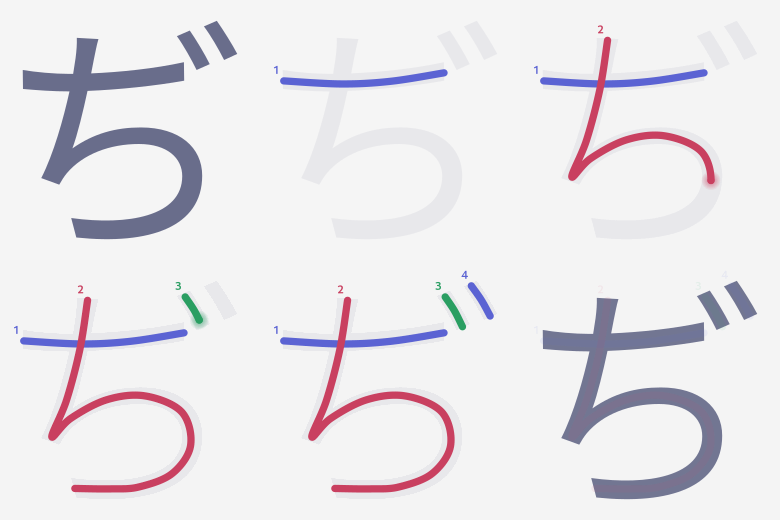
ぢ는 네 획으로 씁니다. 첫 두 획은 ち와 동일합니다 (위쪽의 짧은 가로선과 왼쪽 아래의 갈고리로 끝나는 긴 휘감기는 획). 그런 다음 다쿠텐을 추가합니다: 세 번째 획: 오른쪽 위에 작은 대각선 표시. 네 번째 획: 첫 번째 표시 아래 또는 오른쪽에 두 번째 작은 대각선 표시. 두 표시가 음절을 유성음화합니다.
ぢ가 들어간 자주 쓰는 단어
- ちぢまる (chijimaru) — 줄어들다 / 좁아지다
- はなぢ (hanaji) — 코피
- ちかぢか (chikajika) — 머지않아 / 곧
How to Write ぢ (di) in Hiragana
The hiragana character ぢ is romanized as "di" and is written with 4 strokes. Pronounced like じ (ji) — rarely used. Example word: はなぢ (hanadi) — nosebleed.
Stroke Order for ぢ
When writing ぢ, follow the numbered stroke order shown in the reference character above. Japanese characters are generally written from left to right and top to bottom. Correct stroke order improves readability and writing speed.
Practice Tips
- Print this sheet on standard 8.5" × 11" letter paper
- Start by tracing the light grey guide characters in the first column
- Then practice writing ぢ freehand in the empty squares
- Pay attention to stroke direction and order — follow the numbered guide
- For interactive practice with animations, visit the main study page
About Hiragana
Hiragana is one of the three Japanese writing systems. It consists of 46 basic characters, each representing a syllable. Hiragana is used for native Japanese words, grammar particles, and verb endings. Learning correct stroke order is essential for proper Japanese handwriting.